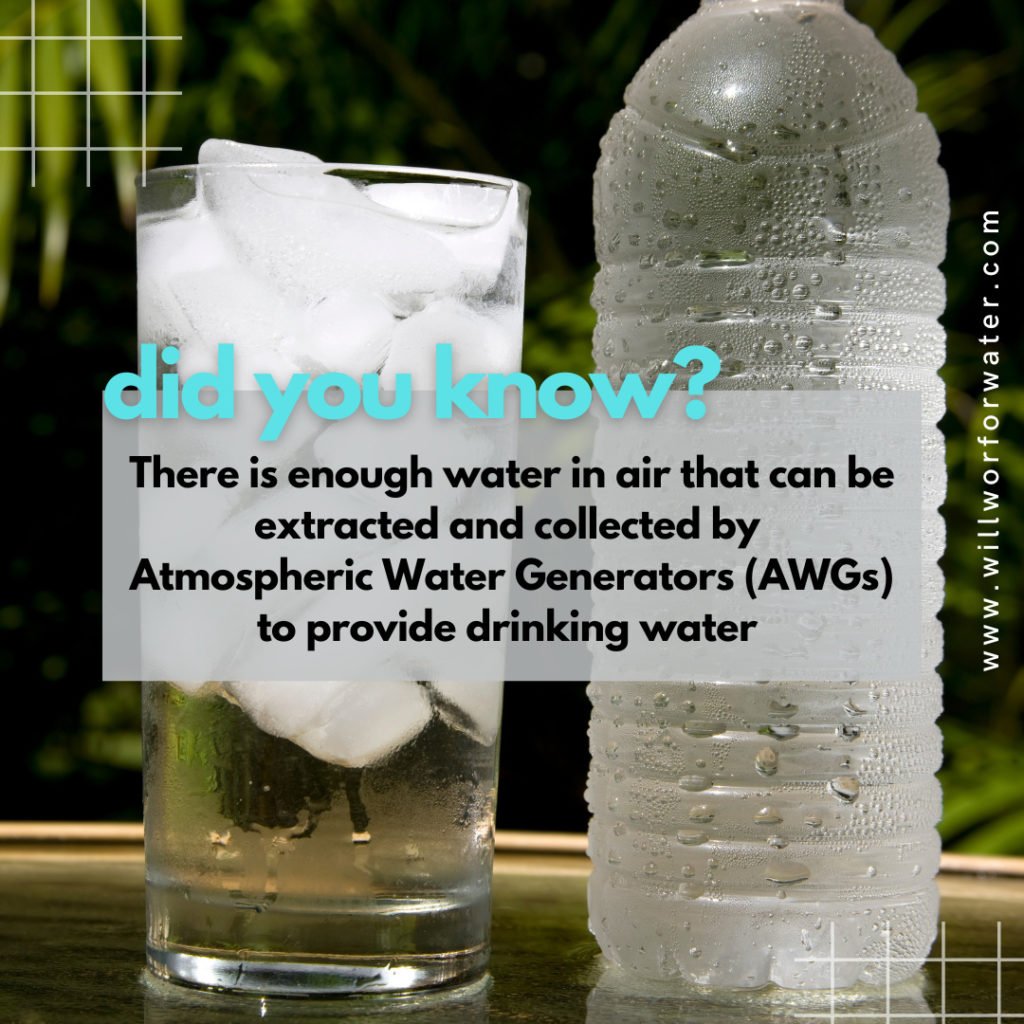
In a world increasingly grappling with water scarcity, the idea of pulling clean, drinkable water directly from the air isn’t science fiction—it’s a powerful reality. Atmospheric Water Generators (AWGs) are emerging as a vital technology, offering independence and sustainability for homes, offices, and even off-grid locations. But navigating the market to find the right one can feel like sifting through fog. This Buying Guide: Selecting an AWG Water Generator cuts through the complexity, arming you with the knowledge to make a confident, informed decision.
Consider this your essential roadmap to choosing an AWG that doesn't just promise water but delivers it reliably, efficiently, and to your specific needs. No more guessing games; just clear, actionable insights to bring the future of hydration into your present.
At a Glance: Key Takeaways for Your AWG Journey
- Humidity is King: AWGs thrive in relative humidity above 40%, performing best in environments over 60%. Don't expect miracles in bone-dry deserts.
- Match Capacity to Need: From personal units (10-20 litres/day) to whole-home or commercial systems (500+ litres/day), size your AWG to your daily water consumption.
- Energy Efficiency Matters: Look for a low wattage-per-litre ratio. This impacts your operating costs significantly.
- Water Quality is Paramount: Multi-stage filtration, UV sterilization, and mineralization are crucial for safe, great-tasting water.
- Consider Maintenance: Filter changes and system cleaning are non-negotiable for hygiene and longevity. Factor in the cost and effort.
- Noise Level Counts: Especially for indoor units, compare decibel ratings to ensure it won't be a constant distraction.
The Unseen Well: Why AWGs Are More Than Just a Gadget
For most of human history, access to water meant proximity to rivers, lakes, or underground aquifers. Today, urban sprawl, industrial pollution, and climate change challenge these traditional sources. Enter the atmospheric water generator – a device that literally harvests water vapor from the air, condenses it, purifies it, and delivers it as potable drinking water.
AWGs aren't just a niche product for survivalists; they're gaining traction in homes, businesses, and disaster relief efforts because they offer:
- Water Independence: Reduces reliance on municipal water supplies or bottled water deliveries.
- Sustainability: Taps into an often-overlooked, renewable source of fresh water, reducing plastic waste.
- Portability & Flexibility: Many models can be moved, making them ideal for changing needs or temporary setups.
- Improved Water Quality: With advanced filtration systems, AWGs can often produce cleaner water than many tap sources.
The underlying principle is surprisingly simple, mimicking nature's own water cycle. Just as dew forms on a cold morning, an AWG creates the perfect conditions for water vapor to condense into liquid. It’s a powerful concept, especially for those seeking a resilient and environmentally conscious water solution. Ready to dive deeper into how these ingenious machines work? You might want to Explore AWG water generators to see the variety of models available as we unpack the specifics.
How AWGs Work: A Quick Science Dive (No Jargon Overload)
At its heart, an AWG functions much like a sophisticated dehumidifier, but with a crucial difference: it’s designed to produce potable water, not just dry air. Here’s the simplified breakdown:
- Air Intake: A fan draws ambient air into the machine.
- Condensation: The air passes over a series of chilled coils (an evaporator). As the warm, humid air meets these cold surfaces, the water vapor in the air cools rapidly and condenses into liquid water droplets, just like condensation forming on a cold glass on a hot day.
- Collection: These water droplets drip into a collection reservoir.
- Filtration & Purification: This is where the magic of "drinking water" really happens. The collected water, which might contain airborne particles or microbes, goes through a multi-stage filtration system. This typically includes:
- Sediment filters: To remove dust, dirt, and larger particles.
- Activated carbon filters: To eliminate odors, chlorine, and organic compounds.
- RO (Reverse Osmosis) or UF (Ultrafiltration) membranes: For advanced removal of dissolved solids, heavy metals, and micro-contaminants.
- UV (Ultraviolet) sterilization: To kill bacteria, viruses, and other microorganisms, ensuring the water is microbiologically safe.
- Mineralization (Optional): After extensive filtration, the water might be "too pure" – lacking essential minerals. Some high-end AWGs include a remineralization stage to add beneficial minerals back, improving taste and health benefits.
- Dispensing: The purified water is then stored in a sterile tank, ready to be dispensed through a tap or dispenser.
While some advanced industrial AWGs use desiccant materials to absorb moisture before extraction, the refrigeration-based method described above is the most common for residential and smaller commercial units. Understanding this basic process helps you appreciate the various features and specifications we'll discuss next.
Decoding Your Options: Types of AWG Water Generators
Not all AWGs are created equal. They vary significantly in technology, capacity, and intended use. Knowing the main types will help you narrow down your search:
1. Refrigeration-Based AWGs (The Most Common)
- How they work: As described above, these use a refrigeration cycle to cool air below its dew point, causing condensation.
- Best for: Residential use, offices, small businesses, and environments with moderate to high humidity (typically above 40% RH and temperatures above 15°C/60°F).
- Pros: Relatively affordable, widely available, efficient in suitable climates, often quiet enough for indoor use.
- Cons: Performance significantly drops in low humidity or very cold temperatures. Energy consumption can be a factor.
2. Desiccant-Based AWGs (Specialized & Industrial)
- How they work: These systems use desiccant materials (like silica gel or liquid brines) that naturally absorb moisture from the air. Once saturated, the desiccant is heated to release the absorbed water vapor, which is then condensed and purified.
- Best for: Arid regions, extremely low humidity environments, or large-scale industrial applications where refrigeration-based systems are inefficient.
- Pros: Can operate effectively in very low humidity (down to 10% RH), capable of very high production volumes.
- Cons: More complex technology, significantly higher cost, often larger, louder, and more energy-intensive than refrigeration models for the same output. Not typically suitable for domestic use.
3. Hybrid Systems (Combining the Best)
- How they work: Some newer systems combine refrigeration with desiccant technology, using desiccants to "boost" humidity levels for the refrigeration stage, or employing advanced heat exchange methods.
- Best for: Situations demanding higher efficiency across a wider range of climatic conditions, or specialized commercial applications.
- Pros: Enhanced performance, potentially better energy efficiency in varied climates.
- Cons: Higher initial cost, still a developing niche.
For most personal and small business needs, a refrigeration-based AWG will be your primary consideration. However, if you live in an exceptionally dry climate, understanding desiccant technology is crucial, even if it’s currently beyond typical home application.
Key Factors to Weigh When Choosing Your AWG
Selecting the right AWG means aligning its capabilities with your specific needs and environment. Here’s a detailed breakdown of the critical factors:
1. Production Capacity: How Much Water Do You Really Need?
This is arguably the most crucial specification. AWG capacity is typically measured in litres per day (L/day) or gallons per day (GPD).
- Personal Use (1-2 people): 10-20 L/day (3-5 GPD) might suffice for drinking and minimal cooking.
- Small Family (3-4 people): 20-50 L/day (5-13 GPD) is more appropriate.
- Larger Family/Small Office: 50-100 L/day (13-26 GPD) or more.
- Commercial/Industrial: Can range from hundreds to thousands of litres per day.
Practical Tip: Overestimate slightly. It’s better to have a bit of surplus, especially for unexpected needs or if you plan to use the water for more than just drinking (e.g., coffee makers, humidifiers). Remember, stated capacity is often under ideal conditions (high humidity, optimal temperature); real-world output may be slightly less.
2. Climate & Environmental Conditions: Your AWG's Operating Sweet Spot
An AWG's performance is directly tied to the air it processes. This is where many misconceptions lie.
- Relative Humidity (RH): This is the single most important factor. Refrigeration-based AWGs generally perform best at 60% RH or higher. Below 40% RH, their efficiency plummets, and below 30% RH, they may produce very little or no water.
- Temperature: Warmer air holds more moisture, so AWGs produce more water in higher temperatures (e.g., 25-35°C / 77-95°F). Performance degrades in colder environments.
Pitfall to Avoid: Don't buy an AWG if you live in a consistently arid region with low humidity, expecting it to be your sole water source. Check your local average temperature and humidity levels throughout the year. Many manufacturers provide a performance curve showing output at different RH/temperature combinations.
3. Energy Efficiency & Operating Costs: The Price of Independence
AWGs require power to run fans, compressors, and filtration systems. This translates to an ongoing electricity cost.
- Wattage per Litre: Look for this metric. A lower wattage per litre indicates higher efficiency. For example, a unit producing 20 L/day might consume 300-500 watts per hour.
- Energy Star Rating: While not always specific to AWGs, similar principles apply.
- COP (Coefficient of Performance) / EER (Energy Efficiency Ratio): More common in HVAC, these can sometimes be adapted for industrial AWGs.
Calculation Example: A 20 L/day AWG that uses 400 watts. If it runs for 12 hours to produce its daily quota (4.8 kWh) and electricity costs $0.15/kWh, that's roughly $0.72 per day, or about $21.60 per month. Add filter replacement costs, and you get a clearer picture.
Consider Solar Integration: For off-grid applications or to reduce electricity bills, explore AWGs compatible with solar power systems.
4. Water Quality & Filtration: Is It Safe to Drink?
The primary goal is clean, safe drinking water. A robust filtration system is non-negotiable.
- Multi-Stage Filtration: Look for at least 4-5 stages, typically including sediment, activated carbon, and a fine membrane (UF or RO).
- UV Sterilization: Essential for killing bacteria and viruses that can bypass physical filters. Ensure it's integrated and effective.
- Mineralization: After intense filtration, water can taste flat or "dead." A remineralization cartridge adds beneficial minerals like calcium and magnesium back, improving taste and making the water healthier.
- Certifications: Look for certifications like NSF/ANSI standards (though less common for AWGs specifically, general water filter certifications can apply), CE, RoHS, or local health authority approvals.
Important: Filter quality degrades over time. Regular replacement is vital for both water safety and taste.
5. Size, Portability, & Design: Fitting Into Your Life
AWGs come in various forms, from countertop units to large industrial machines.
- Footprint: Measure your intended space carefully, whether it's kitchen counter, a utility room, or an outdoor pad.
- Weight & Wheels: For home use, wheels can be incredibly convenient for moving the unit.
- Design Aesthetics: For indoor units, choose a design that complements your home or office decor.
- Water Dispensing: Some units offer hot/cold water taps, making them convenient for beverages or cooking.
6. Noise Level: A Silent Partner or a Ruckus?
AWGs contain fans and compressors, so they will generate some noise.
- Decibel (dB) Rating: Manufacturers usually provide a dB rating. For reference:
- 30-40 dB: Whisper quiet (ideal for bedrooms).
- 40-50 dB: Quiet office, refrigerator hum (acceptable for living areas).
- 50-60 dB: Normal conversation, air conditioner (might be noticeable).
- Placement: If placing in a living area or office, prioritize quieter models.
7. Maintenance & Filter Replacement: The Ongoing Commitment
An AWG is an appliance, not a set-it-and-forget-it solution.
- Filter Lifespan & Cost: Understand how often filters need changing (e.g., every 6-12 months) and their replacement cost. This is an ongoing expense.
- Ease of Access: Can you easily access and replace filters yourself, or does it require a technician?
- Cleaning: The water collection tank and internal components will need periodic cleaning to prevent mold or bacterial growth. Look for features like self-cleaning modes or easily removable parts for manual cleaning.
8. Features & Smart Technology: Beyond Basic Hydration
Modern AWGs offer a range of convenience features:
- Digital Displays: Showing humidity, temperature, filter status, and water levels.
- Smart Controls/App Integration: Remote monitoring, scheduling, and notifications.
- Auto Shut-off: When the water tank is full or ambient conditions are unfavorable.
- Self-Cleaning/Sterilization Cycles: Automated processes to keep the unit hygienic.
- Leak Detection: For safety and peace of mind.
- Air Purifier Function: Some models integrate air filtration, acting as a two-in-one device.
9. Budget & Warranty: Protecting Your Investment
- Initial Cost: AWGs range from a few hundred dollars for small units to several thousand for high-capacity or advanced models. Balance features with your budget.
- Warranty: A good warranty (e.g., 1-3 years on major components) indicates manufacturer confidence and protects against defects. Understand what it covers and what voids it.
- Customer Support: Research the manufacturer's reputation for support and availability of spare parts.
Installation & Placement Considerations: Setting Your AWG Up for Success
Once you've chosen your AWG, where you put it matters as much as the unit itself. Proper placement ensures optimal performance and longevity.
- Good Airflow: AWGs need access to a constant supply of ambient air. Avoid placing them in enclosed spaces like closets or against walls that block vents. A central location in a room or an area with good air circulation is ideal.
- Humidity Hotspots: If possible, place the unit in an area that naturally has higher humidity (e.g., away from direct sunlight, in a kitchen or laundry area, though be mindful of potential airborne contaminants if too close to cooking fumes).
- Level Surface: The unit must sit on a stable, level surface to ensure proper drainage and operation of internal components.
- Power Access: A dedicated electrical outlet is often recommended, especially for larger units, to avoid overloading circuits.
- Avoid Contaminants: Don't place the AWG near sources of strong odors, chemicals (like paint fumes or cleaning supplies), or heavy dust. These can affect water taste, contaminate filters quickly, or even damage the unit.
- Temperature Stability: While warmer temperatures are good, avoid extreme temperature fluctuations or direct exposure to intense heat (e.g., next to a furnace) or cold (e.g., uninsulated garage in winter).
- Security & Safety: Ensure the unit is out of reach of pets or small children, and that any water lines are secure to prevent leaks.
Common Myths & Misconceptions About AWGs
The emerging nature of AWG technology often leads to misunderstandings. Let’s clear up some common ones:
Myth 1: "AWGs will solve water shortages everywhere, even in deserts."
Reality: While desiccant-based AWGs can work in very low humidity, the common refrigeration-based AWGs (which are most relevant for consumer markets) are highly dependent on ambient relative humidity. In bone-dry desert environments, their production capacity would be extremely low, making them impractical as a primary water source without significant energy input and specialized technology. They are best suited for regions with at least moderate humidity (40% RH and above).
Myth 2: "Water from air is completely free."
Reality: While the water vapor itself is "free," the process of extracting, condensing, and purifying it requires energy. Your AWG will consume electricity, and you'll incur costs for filter replacements and maintenance. Factor these into your budget. The benefit is often independence and access to clean water where other sources are expensive or unreliable, rather than zero cost.
Myth 3: "An AWG is just a fancy dehumidifier."
Reality: While the condensation principle is similar, a key distinction is the intended output and purity. A dehumidifier aims to remove moisture from the air to control humidity levels and prevents mold; the collected water is typically not potable. An AWG, however, is designed with multi-stage filtration, UV sterilization, and often remineralization to produce safe, clean drinking water. It prioritizes water quality above all else.
Myth 4: "AWG water tastes bland or unnatural."
Reality: Early or poorly filtered AWG water might taste "flat" because it lacks minerals. However, modern AWGs with good multi-stage filtration and an optional remineralization stage can produce water that tastes excellent—often cleaner and fresher than tap water, and comparable to high-quality bottled water. The taste can also be influenced by the air quality in your environment and the frequency of filter changes.
Myth 5: "AWGs are environmentally perfect."
Reality: While AWGs reduce reliance on plastic bottles and municipal water, their environmental footprint isn't zero. They consume electricity (which often comes from fossil fuels), and filter cartridges need to be manufactured and disposed of. The true environmental benefit comes when an AWG replaces more resource-intensive alternatives, especially if powered by renewable energy, or if it provides water where no other viable, sustainable option exists.
The Buying Process: From Research to Refreshment
Ready to bring an AWG into your life? Here’s a streamlined approach to the buying process:
- Define Your Needs Clearly:
- Capacity: How much water do you need daily? (Individual, family, office, emergency backup?)
- Location: Indoor? Outdoor? Portable?
- Climate: What are your local average temperature and humidity ranges year-round? Be honest about this.
- Budget: What's your realistic initial investment and ongoing operating/maintenance budget?
- Must-Have Features: Any specific requirements like hot/cold dispense, smart controls, or ultra-quiet operation?
- Initial Research & Shortlisting:
- Online Reviews: Read user reviews on retailer sites and independent tech blogs. Look for common praises and complaints.
- Manufacturer Websites: Gather technical specifications, manuals, and warranty details directly from manufacturers.
- Compare Models: Use your defined needs to narrow down 3-5 potential models that seem like a good fit. Pay close attention to the L/day output under your expected climate conditions, not just "ideal."
- Dig Deeper & Ask Questions:
- Filter Costs & Availability: Confirm the exact models, lifespan, and cost of replacement filters. Are they proprietary or easily sourced?
- Noise Levels: If not explicitly stated, ask for dB ratings.
- Power Consumption: Get specific wattage or kWh per litre data.
- Warranty & Support: Understand the terms. Where is service available if needed?
- Return Policy: What's the policy if the unit doesn't meet expectations, especially regarding water production in your specific climate?
- Consider a Test/Demo (If Possible):
- If you can find a local retailer or showroom, seeing a unit in operation can be invaluable for assessing noise, size, and user interface. Some companies might offer rental programs or trials.
- Make Your Purchase:
- Choose a reputable vendor, whether online or brick-and-mortar.
- Ensure you understand the delivery, installation (if required), and setup process.
Making the Smart Choice: Your Next Steps
Choosing an AWG water generator is a significant investment in your water security and health. By carefully considering your specific needs, understanding the technology, and evaluating the key factors outlined in this guide, you’re well-equipped to make an informed decision.
Remember, the ideal AWG for you won't necessarily be the most expensive or the one with the highest "ideal" production. It will be the one that reliably produces sufficient quantities of clean, great-tasting water in your environment, within your budget, and with a level of maintenance you’re comfortable with.
Take your time, do your homework, and soon you could be enjoying the ultimate luxury: fresh, pure drinking water, harvested right from the air around you. It’s not just a purchase; it's a step towards greater independence and a more sustainable future for your hydration needs.